

Bachelor's Degree in International Business
Leave us your details and we will contact you
4 years
September 2027
On campus
240 (60/year)
Spanish
40 places
Programme Objectives
The Bachelor's Degree in International Business and Economic Relations aims to train professionals capable of understanding and managing business activity in a globalized environment, combining knowledge in economics, business, international trade and geopolitics, to make strategic decisions in international markets.
Economy and international environment
Understanding the global economy, international trade, and its impact on business activity.
Foreign trade, logistics and customs
Mastering import/export operations, Incoterms and customs processes.
Business management and global strategy
Analyse the functioning of the company and design strategies in international contexts.
International marketing and data analysis
Design global business strategies and make data-driven decisions.
International finance, accounting and taxation
Manage financial resources and understand accounting and tax regulations in global environments.
Geopolitics, sustainability and global leadership
Analyse international risks, lead multicultural teams, and apply ESG criteria.
Methodology and support
Theoretical classes, case analysis and problem solving in international environments, applying knowledge of business, foreign trade, geopolitics and finance in real contexts.
Learning by doing methodology, where students develop international business projects, market analysis and internationalization strategies.
Progressive monitoring of learning through practical and theoretical tests, applied projects and Final Degree Project.
Academic tutoring, professional mentoring and
individual support throughout the
learning journey.
Virtual campus, advanced digital environments,
up-to-date references and tools for
professional simulation.
Integration of technological innovation with
ethical awareness and social commitment,
aligned with UNINDE’s DNA.
ACADEMIC STRUCTURE
Curriculum
The curriculum for the Bachelor's Degree in Business and International Economic Relations is designed to provide you with a comprehensive education, preparing you to manage business activity in global and international environments. Over the course of four years, you will combine theoretical knowledge, practical experience, and professional practice, developing skills in economics, business, international trade, geopolitics, and data analysis.
Basic training
Fundamental subjects in economics, business and quantitative methods that form the basis of the degree, such as microeconomics, macroeconomics, international economics, mathematics, statistics and fundamentals of business administration, which will allow you to understand the functioning of global markets and business decision-making.
Required subjects
Theoretical and practical classes focused on the international environment, where you will work in areas such as foreign trade, international logistics, customs and Incoterms, international marketing, international finance, and international business law. Content also includes geopolitics, market analysis, business intelligence, and digital transformation, essential for operating in global markets.
Academic internships
You will complete internships at international companies, foreign trade departments, consulting firms, or institutions, where you will gain direct experience in international operations, market analysis, logistics, or global project management. You will be able to apply what you have learned in real-world settings and work alongside industry professionals.
Electives
Subjects geared towards specialisation in areas such as advanced international trade, global marketing, data analysis, geopolitics or international project management, which will allow you to personalize your training according to your professional interests.
Final Degree Project
The Final Degree Project (TFG) is an integrative project where you will consolidate the knowledge and skills acquired during your degree. You will be able to develop a project on internationalization, market analysis, or global business strategy, demonstrating your ability to address challenges in international environments.
PROFESSIONAL FUTURE
Career opportunities and employability
Graduates of the Bachelor's Degree in Business and International Economic Relations at UNINDE are prepared for careers in global environments, combining business management, international trade and strategic analysis. The main career opportunities are listed below.

Design and implementation of international market entry strategies, operations management and global expansion of companies.
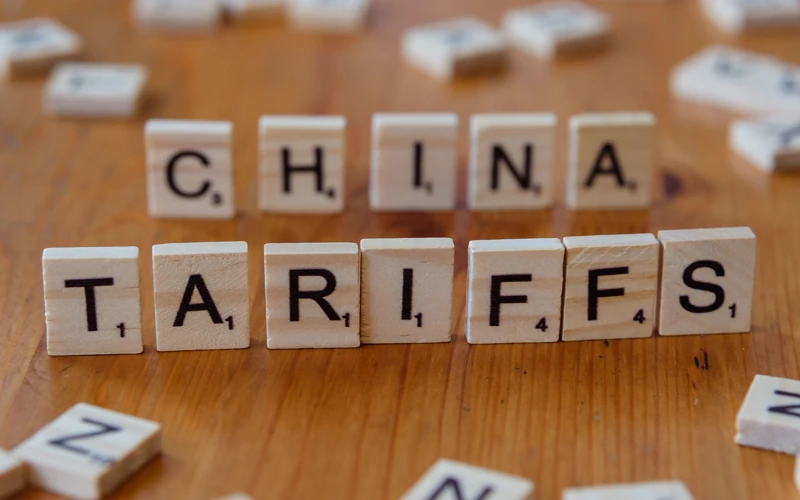
Management of import and export operations, international documentation, tariff classification and customs processes.
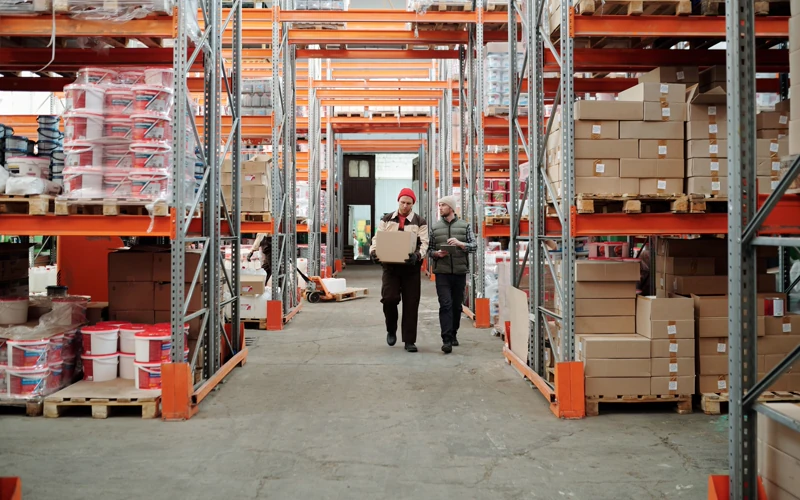
International transport planning, supplier management, Incoterms and optimisation of the global logistics chain.
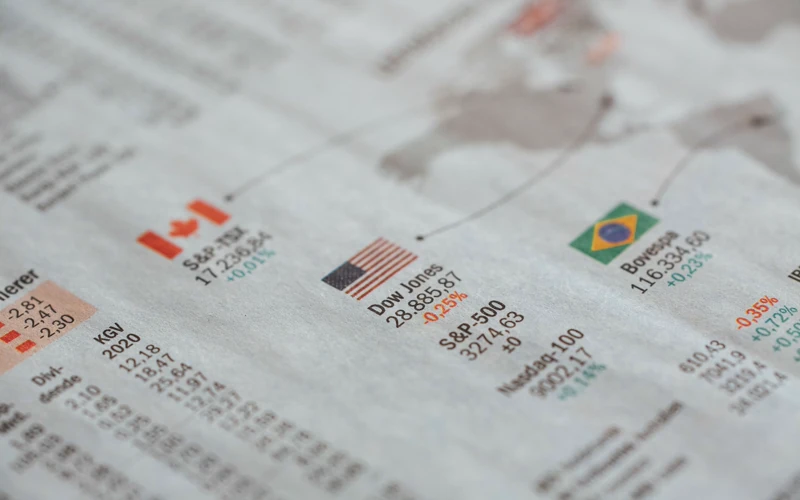
Global market research, data analysis, and strategic decision-making in international contexts.

Financial analysis, investment management, and understanding of accounting and tax regulations in global environments.

International risk assessment, strategic advice and project management in multicultural environments.
PROFESSIONAL FUTURE
Company internship
External academic internships are a fundamental part of the Bachelor's Degree in International Business and Economic Relations at UNINDE, providing students with the opportunity to gain direct experience in the professional field. Through collaborations with international companies, foreign trade departments, consulting firms, and organisations, students can apply what they have learned in areas such as internationalization, logistics, market analysis, finance, and global project management, developing their skills and competencies in real-world, international environments.

Admissions
Admission process
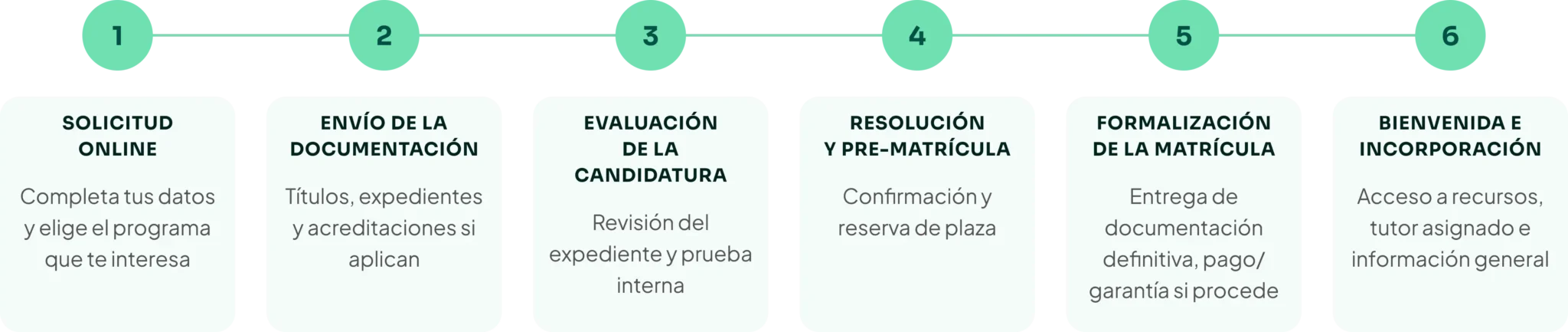
Complete your registration quickly and easily. Follow these steps to secure your place and begin your studies in the Bachelor's Degree in International Business and Economic Relations, with everything you need to access resources and tools from day one.
Access requirements and documentation
To access the Bachelor's Degree in International Business and Economic Relations, students must meet the requirements established by current regulations and submit the necessary documentation. The requirements are detailed below according to the admission route:
Valid academic access
High School Diploma, Higher Level Vocational Training or other official accreditation that allows access to university.
Official academic record
Full academic certificate detailing subjects taken, grades obtained and completion of previous studies.
Identification document
Valid ID card or passport and, if applicable, official recognition or translation of foreign studies.
Language accreditation
A recognized certificate that proves the required language level, when the qualification establishes this specific requirement.
Additional documentation
Additional requirements arising from agreements, internships, mobility or other particular academic situations.
Supplementary documentation
The university may request additional information depending on the candidate's profile or specific academic circumstances.
Regulations and accreditations
The Bachelor's Degree in International Business and Economic Relations is regulated by the current regulations governing official university education in Spain, guaranteeing its academic quality, scientific rigour and official recognition.
The organisation, verification and accreditation of official study plans is carried out in accordance with the requirements established by Royal Decree 822/2021, of September 28, which regulates the organisation of official university studies and the procedure for ensuring their quality within the Spanish university system.
Official degrees must be verified before their implementation and are registered in the Register of Universities, Centres and Degrees (RUCT) of the Ministry of Universities, which guarantees their validity throughout the national territory and their suitability to the standards of the European Higher Education Area (EHEA)
Official links
Want to know more?
Download the complete curriculum
Access detailed information on subjects, competencies, ECTS credits, and course structure for the UNINDE Bachelor's Degree. This plan will help you understand what you will study at each stage of the degree and how the theoretical and practical content are integrated.
Contact the Guidance Team
Do you have questions about admission, enrolment, internships, or career opportunities after completing the degree programme? Our Guidance Team is available to answer your questions, explain the application process, or help you prepare your application. Request information and we'll answer all your questions.
FAQs
We have gathered here the answers to the most common questions about UNINDE so that you can find the information you need quickly and easily.
If your question remains unanswered or you need more details, our team will be happy to help. Just write to us and we'll get back to you as soon as possible.
What do you study in the Bachelor's Degree in Business and International Economic Relations?
You will learn to manage companies in global environments, covering areas such as international economics, foreign trade, logistics, finance, global marketing and geopolitics, along with the use of data for decision-making.
What is the difference between International Relations and Business Administration?
This degree has a clearly international focus, incorporating content on foreign trade, geopolitics, global markets and international economic relations, while ADE has a more generalist and national vision.
Do you learn about international trade and exports?
Yes, the programme includes training in import/export, Incoterms, international logistics, customs and global business operations, key to working in foreign trade.
Does this degree have a practical focus?
Yes, it combines theoretical training with case studies, projects and internships in companies, allowing the application of knowledge in real and international contexts.
Do I need to know languages to study for this degree?
It is not mandatory to have a high level at the beginning, but during the degree you will develop skills in technical English and business English, essential for working in international environments.
Will I be able to work for international companies or abroad?
Yes, the degree is geared towards a global profile, so you will be able to work in multinational companies, foreign trade, consulting or international projects, both in Spain and abroad.
In what sectors can I work after completing my degree?
You will be able to work in sectors such as international trade, logistics, consulting, finance, international organisations or companies in the process of internationalization.
Is it a degree with good job prospects?
Yes, globalization has increased the demand for profiles specializing in international business, foreign trade and global market analysis, with high employability.